
 中文简体
中文简体
 English


Material & Specification Overview
The table below summarizes fire-related features. Fire class depends on the profile, thickness, installation method, and the test standard, so please confirm against the specific test report rather than general descriptions.
| Item | Detail |
| Formulation | Composite with flame-retardant additives for selected profiles |
| Material Status | Combustible material with slowed ignition and flame spread; not non-combustible |
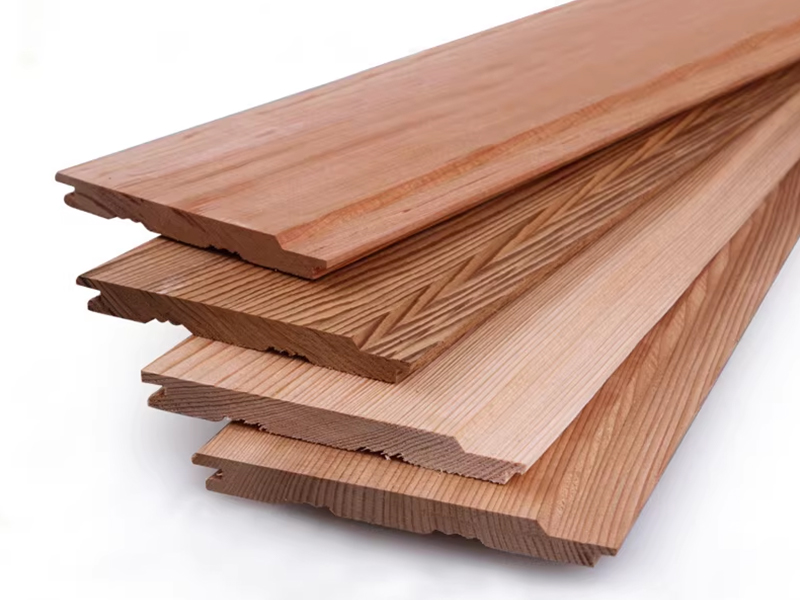
| Recommended Products | Selected solid and hollow profiles for cladding and decking with available reports |
| Standard Thickness Range | 12mm - 25mm |
| Standard Width Range | 135mm - 200mm |
| Test Documentation | Fire test reports available for selected profiles, stating standard, class, and test conditions |
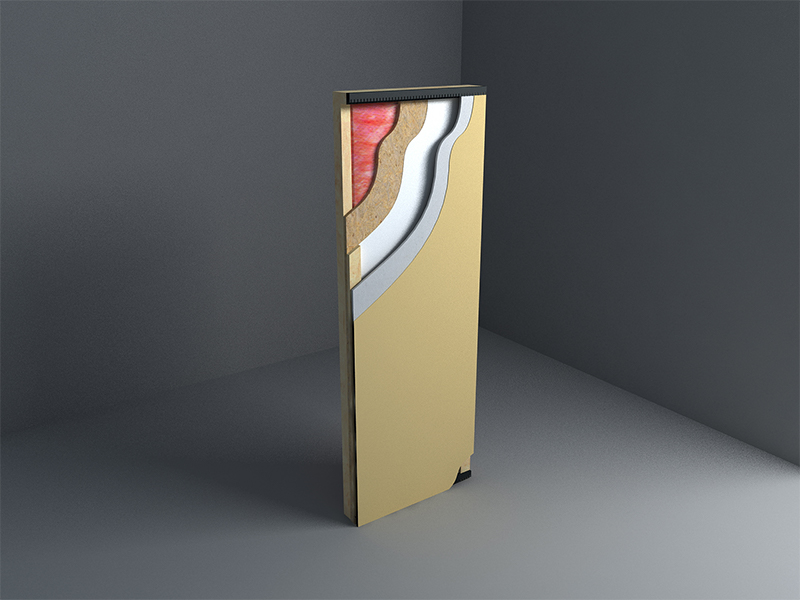
| System Note | Fire performance of a facade also depends on the substructure, fixings, and cavity design, not the panel alone |
Product Photography
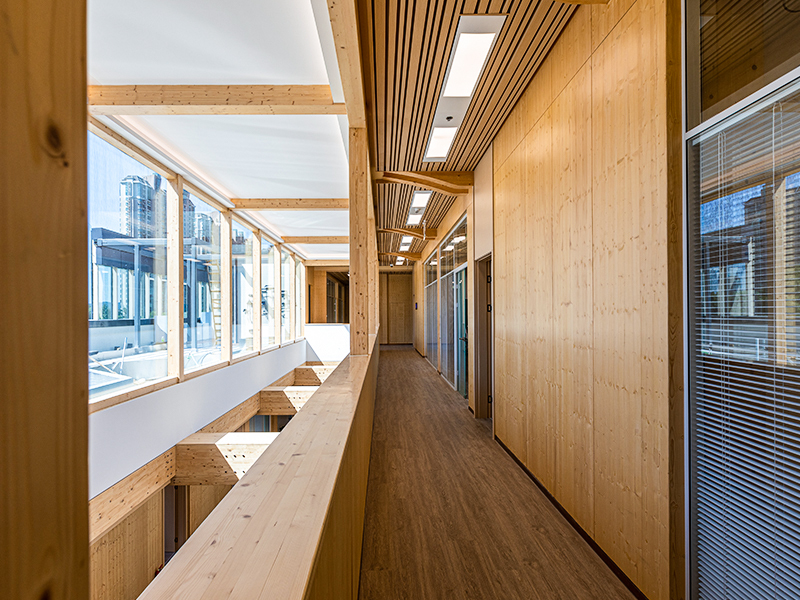
We provide photos of tested samples where available, installed project images, and close-ups of the profile and fixing method. Fire performance depends on the whole assembly, so we also show how boards are fixed and what the cavity looks like.
A note on installation: a test result applies to the assembly that was tested. A different substructure, cavity depth, or fixing method can change the result, and your fire engineer should confirm that your design matches a tested configuration.
We can also share the details of the assembly used in each fire test, including substructure, cavity depth, and fixings, so that your fire engineer can compare it with your own design and decide whether the result applies or whether an adjustment is needed.
We can also explain the difference between reaction-to-fire classes and fire resistance ratings, since these are often confused, and only the first describes how a cladding board itself behaves when exposed to flame.
Minimum Order Quantity & Pricing Structure
Fire-retardant profiles cost more than standard boards, because of the added ingredients and the testing behind them. MOQ for a first trial order is typically 1 x 20ft container, and larger commercial and residential projects can discuss phased delivery and project pricing.
| Order Volume | Pricing Tier |
| Sample panels | Sample fee + courier, often credited toward the first order |
| 1 x 20ft container | Standard FOB pricing for the fire-retardant profile |
| 1 x 40ft HQ container | Discounted per-sqm pricing |
| Commercial and residential development volumes | Negotiated pricing with phased delivery matched to construction |
Quotations are typically given as FOB Ningbo or Shanghai, with CIF and DDP available once the destination and Incoterm are confirmed. Standard payment terms are 30% deposit by T/T with the balance against the B/L copy. Please tell us which fire standard and class your project needs, so that we quote a profile that has documents for it, and not a general fire-retardant product that may not match.
If only part of a building needs the higher class, for example upper floors or areas near boundaries, we can suggest using the fire-retardant profile there and a standard profile elsewhere, while keeping the appearance consistent.
We can also prepare a quotation that separates the cost of fire-retardant profiles from standard ones for the same project, so that budget owners can see exactly where the extra cost arises and which areas actually require the higher specification.
We can also provide a budgetary figure early in the design stage and a firm quotation later, once the fire class, thickness, and quantities are confirmed, which suits how many approval processes work.
OEM & Customization Options
Fire-related customization is limited by testing, since any change to formulation, thickness, or profile may require the test data to be repeated, so we approach it carefully and honestly.
- Color and finish - available within the tested range; a significant change may need confirmation that the test still applies
- Profile selection - choosing among profiles that already have fire reports for your target standard
- Thickness options - different thicknesses may perform differently, so we match thickness to the tested configuration
- Fixing and accessory recommendations - suggested clips and trims that match the tested assembly
- Documentation packages - fire reports and technical data organized for tender and permit submission
If a project requires a fire class that none of our existing reports cover, we can discuss commissioning a new test with a recognized laboratory. This takes time and cost, and we will say clearly what is involved and what is not guaranteed, so that you can decide whether it makes sense for your project.
We can also supply sample panels together with a summary sheet that lists the tested class, thickness, and assembly for each profile, so that architects and approving authorities can review the product and its documents in one package.
For developers who need a consistent look across areas that use different fire classes, we can suggest color-matched profiles so that the higher-specification boards and standard boards look the same once installed. We can also supply small sample panels of both, side by side, so that the design team can confirm the match before ordering, and can note in the specification which areas use which product.
Certification & Quality Control
For fire-related products, documents are central, and accuracy matters more than volume, so we describe reports carefully and never present a result as covering more than it does.
| Certification / Test | Availability |
| Fire test reports | Available for selected profiles, stating standard, class, thickness, and assembly |
| Flame-retardant content documentation | Available on request, including safety data where relevant |
| REACH / RoHS compliance | Standard formulation compliant |
| Factory quality system | ISO 9001 factory management system |
Our QC process checks that each batch follows the tested formulation, since fire performance depends on additives being present in the right amounts. We keep batch records that link each order to its formulation, so that a reviewer can confirm which product was supplied. We can arrange third-party inspection for larger orders.
If your authority names a specific standard and class, please send it to us early. We will compare it with our reports, say plainly what is covered, and explain the time and cost of any new test.
Batch records let us trace any shipped order to its formulation and production date, which is important for buildings where an inspector may ask which product was used. We keep these records for a reasonable period and can provide a batch statement on request.
If a regulator or insurer asks for evidence that the delivered material matches the tested product, we can provide a batch statement and the retained sample reference. Where a report has expired or its scope does not quite match your use, we will tell you plainly, and discuss whether a fresh test or a different profile would be the more sensible route.
Production Capacity & Lead Time
Fire-retardant profiles are produced on dedicated runs to keep the formulation consistent, so scheduling is somewhat more structured than for standard boards.
| Item | Detail |
| Monthly capacity | Scheduled on dedicated runs; lower flexibility than standard lines |
| Sample lead time | 5-9 working days for existing profiles |
| Standard order lead time | 22-35 days after deposit and specification confirmation |
| New fire test lead time | Several additional weeks to months, depending on laboratory schedules and the standard |
| Project phasing note | For large projects, production and shipment can be scheduled in stages |
We provide production progress updates and can share batch documentation before shipment. Because permit and approval processes often run alongside construction, please tell us your submission deadlines at the start, so that we can advise on what documents are ready now and what will take longer.
If a new test is needed, please do not assume it can be done in parallel with production. We will explain the sequence honestly, because a late surprise on fire documents can delay an entire building.
If a permit deadline depends on fire documents, please tell us at the start of the project. We will tell you which documents are ready immediately and which would need extra time, so that the approval schedule is planned honestly from the beginning.
Because approval processes can take months, we suggest confirming which fire documents you need before choosing the final product. We can then tell you honestly how long each item will take. If a document is not yet available, we will say so, and will not imply that it will be ready on a date we cannot commit to.
Logistics & After-Sales Support
Fire-related projects need traceable documents to arrive with the goods, so we plan documentation together with the shipment.
- Shipping ports - orders typically go out via Ningbo or Shanghai port; FOB, CIF, or DDP quoting available
- Packing and labeling - cartons labeled with profile, batch, and formulation reference, so that installed material can be traced
- Documentation - commercial invoice, packing list, bill of lading, certificate of origin, and fire test reports provided as standard
- Damage/shortage claims - please photograph any damage at unloading; verified defects are resolved through replacement stock or credit on the next order
- Installation guidance - instructions matching the tested assembly, including fixings, cavity details, and trim
We suggest keeping the batch label and the delivery documents with the project file. Inspectors sometimes ask years later which product was installed, and being able to show the batch and the matching report avoids disputes and delays.
Our team stays reachable by phone or WhatsApp through shipping and unloading, and can supply extra copies of documents in the format a building inspector or insurer asks for, so that the paperwork is ready when the building is inspected.
Please tell us the destination customs requirements early, since some markets ask for specific declarations for fire-related building products. We will prepare the documents you name and tell you if any item is something we cannot supply. If a carton is damaged in transit, take photos before opening and send them with the batch label, and we will arrange a replacement for verified cases from the same batch, so that the documentation remains valid for the whole installation.
Frequently Asked Questions
Q: Is fire-retardant composite fireproof?
A: No. It is a combustible material with additives that slow ignition and flame spread. Its performance is described by a tested class under a named standard, and we provide the reports.
Q: Which class do I need?
A: It depends on your local building code, the height and use of the building, and the distance from boundaries. Your architect or fire engineer should confirm the required class, and we can then check our reports.
Q: Does the test apply to any installation?
A: A test result applies to the tested assembly. A different substructure, cavity, or fixing may change it, so your fire engineer should check that the design matches a tested configuration.
Q: Can you test for a standard you do not already have?
A: We can discuss commissioning a test with a recognized laboratory, but it takes time and cost, and the outcome cannot be guaranteed in advance.
Q: Are the flame-retardant additives safe?
A: We can provide safety data and compliance documents for the additives used, and can respond to specific questions about chemical requirements in your market.
Q: Can fire-retardant panels be used indoors?
A: Yes, for suitable profiles, and interior fire class requirements are often different from exterior ones. Please tell us the interior code you must meet so that we can check our reports.
Q: Do you provide a certificate for each shipment?
A: We provide the applicable test reports and a batch statement for each order. Please tell us what your authority requires, and we will confirm exactly what can be supplied and what cannot.