Glued laminated wood-frame components, commonly known as glulam, are revolutionizing the construction industry by combining the natural advantages of timber with modern engineering and manufacturing technologies. These components are widely recognized for their structural strength, dimensional stability, and design versatility, making them ideal for residential, commercial, and large-span architectural projects.
Yancheng Jiangsen Green Construction Technology Co., Ltd., as a leading provider of engineered wood solutions, specializes in delivering high-performance glulam components. From R&D and design to manufacturing, installation, and maintenance, the company provides a full-chain solution to meet the evolving demands of sustainable construction both domestically and internationally.
1. Why Are Glued Laminated Wood-Frame Components Superior to Traditional Timber Materials?
Traditional solid timber has been a core material in construction for centuries due to its availability, workability, and aesthetic appeal. However, natural timber often exhibits limitations, including susceptibility to knots, warping, cracking, and uneven mechanical properties. Glulam components were developed to overcome these challenges while retaining timber’s inherent environmental and aesthetic advantages.
The production of glulam involves carefully grading, drying, and laminating timber layers using high-strength adhesives. This process distributes natural imperfections across the entire structural member, significantly reducing weak points and ensuring predictable mechanical performance. As a result, glulam members are stronger, more stable, and capable of spanning longer distances than solid timber.
Yancheng Jiangsen Green Construction Technology Co., Ltd. employs advanced smart manufacturing systems to produce glulam components with precision and consistency. Automated cutting, drilling, and lamination processes ensure every piece meets strict quality standards, allowing clients to rely on consistent performance in both small and large-scale projects.
In addition to strength, glulam offers dimensional stability. The controlled drying and bonding process minimizes shrinkage, twisting, and cracking, which are common problems in traditional timber. This stability translates into longer service life and reduced maintenance costs for residential, commercial, and public buildings.
Architecturally, glulam components allow flexibility that is difficult to achieve with steel or concrete. Curved beams, arches, and other custom shapes can be fabricated according to design requirements, enabling architects and engineers to create visually striking and functional structures.
Comparison Between Traditional Timber and Glulam Components
| Feature |
Traditional Timber |
Glulam Components |
| Structural Strength |
Moderate |
High, predictable |
| Dimensional Stability |
Variable |
Excellent |
| Maximum Span |
Limited |
Long-span capable |
| Design Flexibility |
Standard shapes |
Curved, custom shapes |
| Defect Tolerance |
Low |
High (distributed) |
| Material Efficiency |
Lower |
Optimized |
By overcoming the limitations of conventional timber, glulam components provide a highly reliable, durable, and sustainable material solution, making them ideal for modern construction projects, especially when integrated by a professional provider like Yancheng Jiangsen Green Construction Technology Co., Ltd.
2. How Do Glued Laminated Wood-Frame Components Improve Structural Performance?
Modern construction demands materials that are not only aesthetically pleasing but also highly reliable under various loads and environmental conditions. Glulam components excel in structural performance, making them a preferred choice for both small-scale residential buildings and large commercial projects.
One of the key advantages of glulam is its engineered uniformity. By laminating multiple layers of timber together, manufacturers ensure consistent strength and predictable behavior under stress. Unlike solid timber, which may contain hidden defects or uneven density, glulam provides a reliable solution for load-bearing beams, columns, and trusses.
Yancheng Jiangsen Green Construction Technology Co., Ltd. incorporates BIM-assisted design and smart manufacturing into the production of glulam components. This integration ensures precise load calculations, optimized material usage, and smooth assembly during construction. Such advanced design and manufacturing practices are critical for meeting modern building codes and achieving long-term structural safety.
Glulam components demonstrate excellent performance in both compression and bending applications. They are widely used in long-span roofs, bridges, and multi-story timber buildings, where high structural strength and low weight are essential. Timber’s lighter weight compared to steel or concrete also reduces foundation requirements and construction costs, providing a dual benefit of structural efficiency and economic advantage.
Seismic performance is another area where glulam excels. Because timber structures are lightweight and flexible, glulam buildings can absorb and dissipate seismic energy effectively, minimizing damage during earthquakes. Fire performance is also well-understood: glulam chars at a predictable rate, creating an insulating layer that protects the core, allowing engineers to design structures that meet strict fire safety regulations.
Structural Performance Advantages of Glulam Components
| Performance Factor |
Benefit |
| Load-Bearing Capacity |
High for large spans and multi-story buildings |
| Bending and Compression Strength |
Superior compared to solid timber |
| Seismic Resistance |
Flexible, absorbs earthquake energy |
| Fire Safety |
Predictable charring for structural integrity |
| Dimensional Stability |
Minimal shrinkage or warping |
| Lightweight Construction |
Reduced foundation load and installation cost |
Through these features, Yancheng Jiangsen Green Construction Technology Co., Ltd. ensures that glulam components deliver optimal structural performance across diverse applications, supporting both functional and aesthetic architectural goals.
3. Why Are Glued Laminated Wood-Frame Components Essential for Sustainable Construction?
Sustainability is now a fundamental requirement in construction. Glulam components play a critical role in reducing environmental impact while maintaining high performance and design flexibility.
Timber is a renewable resource that stores carbon throughout its lifecycle. Glulam components retain this carbon, reducing greenhouse gas emissions compared to traditional steel or concrete construction. Additionally, the manufacturing of glulam requires less energy than producing steel or cement, contributing to lower embodied carbon in buildings.
Yancheng Jiangsen Green Construction Technology Co., Ltd. emphasizes the use of sustainably sourced timber from responsibly managed forests. This ensures that every glulam component not only meets structural and aesthetic requirements but also aligns with green building and environmental standards.
Glulam components also support resource efficiency. The lamination process maximizes the use of raw timber, reducing waste and making better use of smaller or imperfect boards that might otherwise be discarded. This contributes to more sustainable material consumption and lower overall project costs.
In addition to environmental benefits, glulam promotes healthy indoor environments. Timber naturally regulates humidity, improves thermal comfort, and creates warm, visually appealing interiors. Such biophilic qualities are highly valued in residential, educational, and commercial spaces.
Finally, glulam’s versatility supports adaptive urban development. Curved beams, modular trusses, and custom-designed components allow architects to optimize building layouts for both functionality and environmental performance, supporting sustainable urban growth.
Sustainability Advantages of Glulam Components
| Sustainability Aspect |
Contribution |
| Carbon Storage |
Long-term carbon sequestration within building structure |
| Renewable Material |
Timber sourced from sustainably managed forests |
| Low Embodied Energy |
Less energy required than steel or concrete |
| Resource Efficiency |
Maximizes utilization of raw timber |
| Indoor Environmental Quality |
Humidity regulation and thermal comfort |
| Green Certification Compatibility |
Supports LEED, BREEAM, and other sustainability standards |
By integrating glulam components into construction, developers and architects achieve a perfect balance between sustainability, strength, and design flexibility. With the full-chain solutions provided by Yancheng Jiangsen Green Construction Technology Co., Ltd., these components offer reliable performance for modern, low-carbon construction projects.
FAQ
What are glued laminated wood-frame components?
Glued laminated wood-frame components (glulam) are engineered timber products made by bonding multiple layers of lumber using high-strength adhesives to form beams, columns, and other structural members.
How do glulam components differ from traditional solid timber?
Glulam components provide higher strength, longer spans, dimensional stability, and design flexibility, overcoming many limitations of solid timber.
Can glulam be used in large commercial or public buildings?
Yes. Glulam is widely used in multi-story buildings, bridges, schools, sports arenas, and large-span structures due to its high load-bearing capacity and versatility.
Are glulam components environmentally sustainable?
Yes. They are made from renewable timber, store carbon, require less energy to produce than steel or concrete, and can support green building certifications.
How long do glulam structures last?
With proper installation and maintenance, glulam structures can provide reliable performance for decades, often exceeding conventional building lifespans.
How does Yancheng Jiangsen Green Construction Technology Co., Ltd. support glulam projects?
The company provides full-chain services, including R&D, design, smart manufacturing, construction, installation, and maintenance, ensuring optimal quality, performance, and sustainability.

 中文简体
中文简体
 English


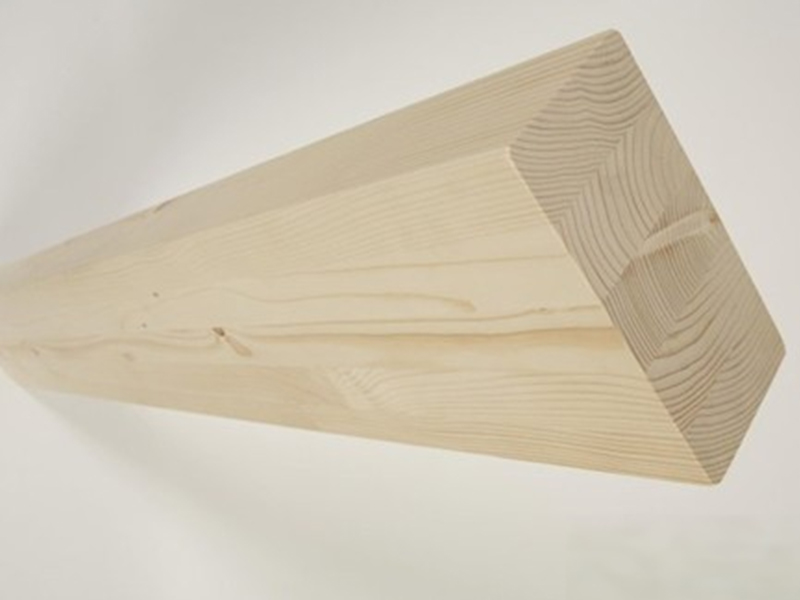 Straight Beam Glued Laminated TimberMaterials: Douglas fir, spruce, red pine; Strength levels: Douglas fir Tct36 and Tct32, spruce Tct32 and Tct28 Width 70-450mm High 50-1800mm Length 0-30000mmView More
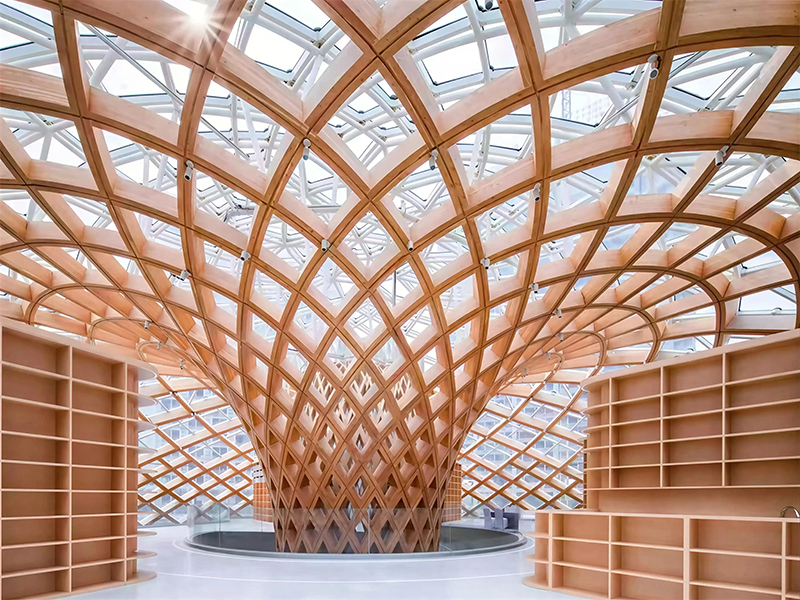 Curved Beam Glued Laminated TimberMaterials: Douglas fir, spruce, red pine; Strength levels: Douglas fir Tct36 and Tct32, spruce Tct32 and Tct28 Width 50-450mm High 50-800mm Length 0-30000mmView More
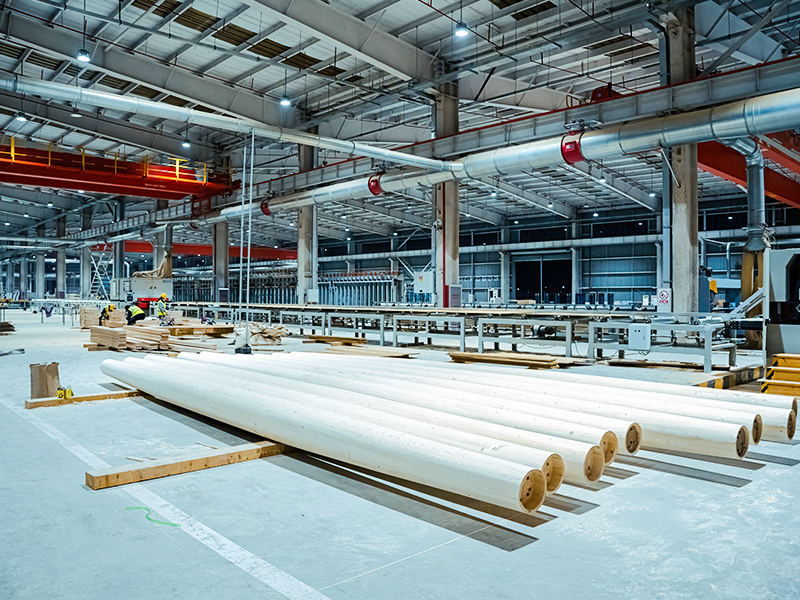 Cylindrical Glued Laminated TimberMaterials: Douglas fir, spruce, red pine; Strength levels: Douglas fir Tct36 and Tct32, spruce Tct32 and Tct28 Diameter Ø100-800mm Length 0-15000mmView More