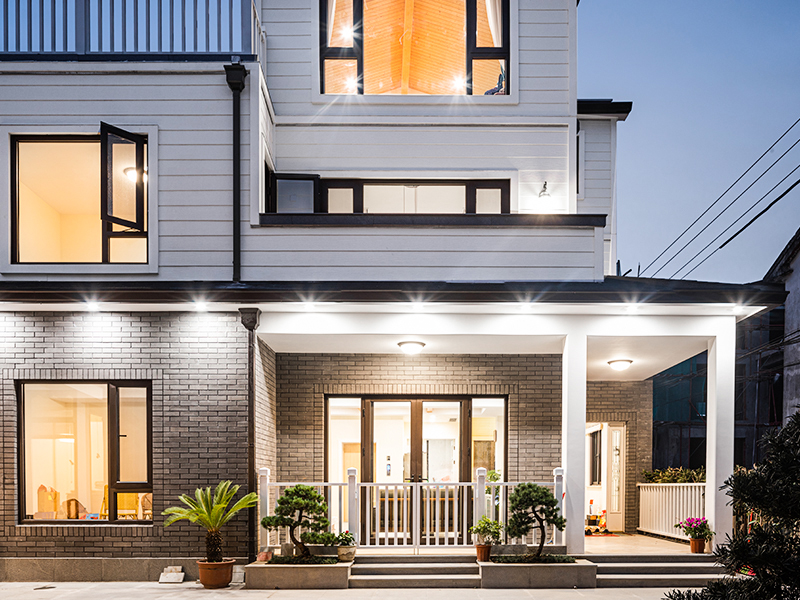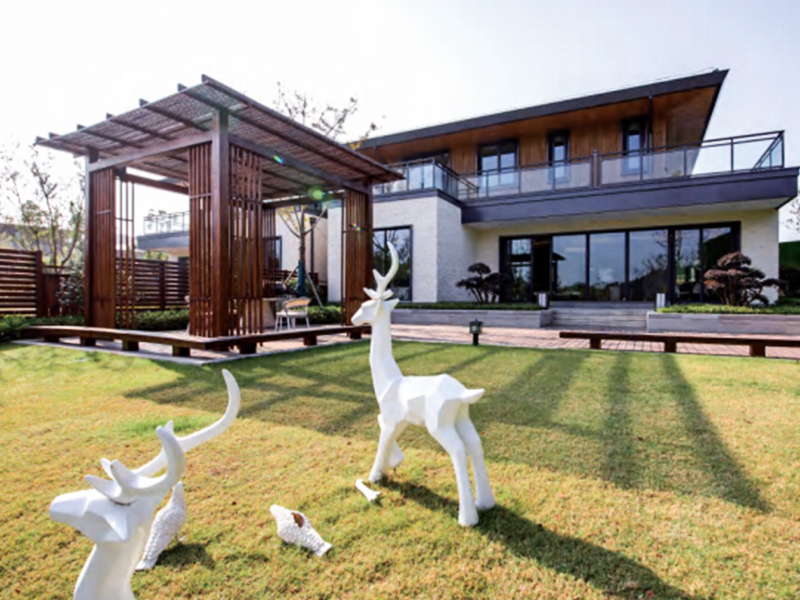


Custom Wood-frame New Rural Housing
Explore Products
Yancheng State Investment Group was established by the Yancheng Municipal People's Government. As of the end of 2024, the group's total assets will be 80.3 billion yuan, and it currently has 6 functional sectors: energy, resources, hotels, entrepreneurship, trade, and real estate.
About us
Our Company is China Wood-frame New Rural Housing Suppliers and Wood-frame New Rural Housing Manufacturers. In 2025, Jiangsen Green Construction was incubated in the Group's entrepreneurial sector. As a new engine for the Group's green transformation, it shoulders the national “dual carbon” strategic mission and the Group's green development plan, demonstrating the social responsibility of state-owned enterprises.
We provide technical services for the entire industrial chain of modern wooden structure research and development, design, intelligent manufacturing, construction, and maintenance, and are committed to providing green, low-carbon, and sustainable wooden structure overall solutions for the domestic and international construction fields.
Factory floor area
Annual output — glulam, CLT & more
Equipment production lines
Number of employees
Press Center
News
Real-time dynamics, one-handed. Here we gather corporate information, industry hot spots and event dynamics to help you quickly understand our development pace and cutting-edge insights.
Industry Knowledge
As countries around the world pursue carbon reduction and sustainable development goals, the construction industry is embracing innovative building methods that combine environmental responsibility with long-term economic value. Among these solutions, wood-frame new rural housing has become increasingly popular due to its low carbon footprint, energy efficiency, construction flexibility, and superior living comfort.
In 2025, Yancheng Jiangsen Green Construction Technology Co., Ltd. was incubated within the Group’s Venture Capital sector as a strategic platform dedicated to advancing green construction technologies. Serving as a new engine for the Group’s transformation toward sustainability, the company actively supports China’s “Dual Carbon” goals while promoting innovative timber construction solutions for both domestic and international markets.
With a comprehensive service system covering research and development, architectural design, smart manufacturing, construction, installation, and long-term maintenance, Yancheng Jiangsen Green Construction Technology Co., Ltd. is committed to delivering integrated timber building solutions that contribute to environmentally friendly and sustainable communities.
The modernization of rural areas is no longer focused solely on providing housing. Today, rural development strategies emphasize sustainability, energy conservation, environmental protection, and improved quality of life. Wood-frame housing aligns perfectly with these objectives, making it one of the most promising construction solutions for future rural communities.
Unlike traditional concrete and masonry structures, wood-frame buildings utilize renewable timber resources that naturally absorb and store carbon dioxide during growth. This carbon remains locked within the building materials throughout the structure’s lifespan, effectively reducing greenhouse gas emissions. As governments continue to implement carbon reduction policies, timber construction is increasingly recognized as a practical method for achieving environmental targets.
Another major advantage is energy efficiency. Timber possesses natural insulating properties that significantly reduce heat transfer through walls and roofs. This helps maintain comfortable indoor temperatures throughout the year while lowering heating and cooling costs. For rural homeowners, reduced energy consumption translates into lower utility expenses and enhanced living comfort.
The construction process itself is also highly efficient. Modern prefabrication technologies enable structural components to be manufactured in controlled factory environments before being transported to construction sites for rapid assembly. This approach minimizes construction waste, shortens project timelines, and improves quality consistency.
Yancheng Jiangsen Green Construction Technology Co., Ltd. integrates advanced digital design tools and intelligent manufacturing technologies to optimize every stage of timber housing projects. By combining industrialized production with modern construction methods, the company helps clients achieve faster project delivery while maintaining exceptional quality standards.
Beyond environmental and economic benefits, wood-frame homes create healthier living environments. Wood naturally regulates indoor humidity and provides a warm, comfortable atmosphere that enhances occupant well-being. Numerous studies have shown that timber buildings contribute positively to indoor comfort and psychological health, making them particularly suitable for family-oriented rural communities.
| Feature | Wood-Frame Housing | Traditional Concrete Housing |
|---|---|---|
| Carbon Emissions | Low | High |
| Construction Speed | Fast | Moderate |
| Thermal Insulation | Excellent | Average |
| Environmental Impact | Sustainable | Resource Intensive |
| Seismic Performance | Excellent | Good |
| Living Comfort | High | Moderate |
As rural revitalization programs continue to evolve, wood-frame housing offers a unique opportunity to combine traditional community values with modern sustainability standards, creating resilient and attractive living environments for future generations.
Many people still associate timber buildings with traditional wooden houses that require extensive maintenance and offer limited durability. However, modern timber engineering has transformed the industry through advanced materials, digital technologies, and precision manufacturing processes.
Today’s timber structures utilize engineered wood products such as Cross-Laminated Timber (CLT), Glued Laminated Timber (Glulam), and Laminated Veneer Lumber (LVL). These materials are manufactured under strict quality controls and offer exceptional strength, dimensional stability, and durability. In many applications, engineered timber can compete directly with steel and concrete while delivering significantly lower environmental impacts.
At Yancheng Jiangsen Green Construction Technology Co., Ltd., innovation is a core component of every project. The company’s integrated approach combines research and development with smart manufacturing technologies to create highly efficient timber building systems. Advanced Building Information Modeling (BIM) software is used during the design phase to improve project coordination, reduce errors, and optimize material utilization.
The adoption of intelligent manufacturing systems further enhances precision and productivity. Automated production equipment ensures that each structural component meets exact specifications, reducing installation challenges and improving overall construction efficiency. This factory-based production model also minimizes weather-related delays and ensures consistent quality throughout the project lifecycle.
Modern timber buildings are also designed to meet stringent safety requirements. Fire-resistant treatments, advanced connection systems, moisture protection technologies, and engineering-based structural calculations enable timber structures to achieve high levels of safety and durability. In earthquake-prone regions, wood-frame systems often demonstrate excellent seismic performance due to their lightweight and flexible characteristics.
Furthermore, timber construction offers remarkable architectural flexibility. Designers can create a wide range of building styles, from traditional rural homes to contemporary eco-friendly communities. This versatility allows developers and homeowners to balance aesthetic preferences with functional requirements.
As a full-chain service provider, Yancheng Jiangsen Green Construction Technology Co., Ltd. supports clients throughout the entire project process—from concept development and engineering design to manufacturing, installation, and maintenance—ensuring optimal performance and long-term value.
| Technology | Function | Benefits |
|---|---|---|
| BIM Design | Digital Project Management | Improved Accuracy |
| CLT Panels | Structural Walls and Floors | High Strength |
| Glulam Beams | Long-Span Structures | Design Flexibility |
| Smart Manufacturing | Precision Production | Higher Efficiency |
| Fire Protection Systems | Safety Enhancement | Regulatory Compliance |
| Moisture Protection Technology | Durability Improvement | Extended Service Life |
These technological advancements have positioned timber construction as a viable and highly competitive solution for modern rural development.
The building sector accounts for a significant portion of global carbon emissions. Consequently, governments, developers, and construction companies are actively seeking low-carbon alternatives that can support long-term sustainability objectives. Wood-frame housing has emerged as one of the most effective solutions in this transition.
One of the most important environmental benefits of timber construction is carbon storage. Trees absorb carbon dioxide from the atmosphere during growth, and this carbon remains stored within timber products throughout their service life. By replacing carbon-intensive materials such as steel and concrete with sustainably sourced timber, builders can significantly reduce embodied carbon emissions.
In addition to carbon sequestration, timber construction requires less energy during manufacturing. Producing engineered wood products generally consumes substantially fewer fossil fuels compared to manufacturing steel and cement. This reduction in production-related emissions contributes directly to national carbon reduction targets.
Yancheng Jiangsen Green Construction Technology Co., Ltd. actively supports China’s green development strategy by promoting modern timber construction technologies that align with the nation’s dual-carbon objectives. Since its establishment in 2025, the company has focused on creating integrated timber solutions that combine environmental responsibility with economic viability.
The company’s commitment extends beyond individual buildings. Through continuous innovation, smart manufacturing, and sustainable construction practices, Yancheng Jiangsen Green Construction Technology Co., Ltd. contributes to the development of greener industrial supply chains and more resilient communities. This holistic approach supports broader goals related to rural revitalization, resource conservation, and ecological protection.
Wood-frame housing also creates economic opportunities within rural regions. Sustainable forestry, timber processing, component manufacturing, transportation, and construction activities generate employment and stimulate local economic development. As demand for green buildings continues to increase, the timber construction sector is expected to become an increasingly important contributor to sustainable economic growth.
Looking ahead, wood-frame new rural housing will likely play a central role in shaping environmentally responsible communities. By combining renewable materials, advanced technologies, and efficient construction methods, timber buildings provide a practical pathway toward achieving carbon neutrality while improving living standards for rural residents.
| Sustainability Indicator | Contribution |
|---|---|
| Carbon Storage | Long-Term Carbon Sequestration |
| Renewable Resources | Sustainable Material Supply |
| Energy Efficiency | Reduced Operational Energy Use |
| Waste Reduction | Cleaner Construction Process |
| Rural Revitalization | Economic and Social Benefits |
| Environmental Protection | Lower Lifecycle Emissions |
The future of rural development increasingly depends on solutions that balance economic growth with environmental stewardship. Modern timber construction provides exactly that balance, making it one of the most promising building systems for the decades ahead.
Wood is a renewable resource that stores carbon and requires less energy to process than traditional construction materials such as steel and concrete.
Yes. Modern engineered timber products are designed for strength, stability, and durability, allowing buildings to perform reliably for decades.
Timber buildings store carbon, reduce embodied emissions, and improve energy efficiency throughout the building lifecycle.
Yes. Properly engineered wood-frame structures provide excellent seismic resistance and can be designed to withstand a wide range of environmental conditions.
The company offers full-chain timber construction services, including R&D, design, smart manufacturing, construction, installation, and maintenance, delivering comprehensive timber building solutions worldwide.
Prefabrication improves quality control, reduces construction time, minimizes waste, and lowers overall project costs while maintaining high performance standards.

We provide technical services across the entire modern timber structure industrial chain—from R&D, design, and intelligent manufacturing to construction and maintenance—and are committed to delivering green, low-carbon, and sustainable overall solutions for the construction industry both domestically and internationally.
Company Address
Room 1901, Building 1, Xincheng Business Center, Intersection of Haiyang Road and Ruzhe Road, Yandu Subdistrict, Yandu District, Yancheng City, Jiangsu Province, China
Factory Address
Xin'anjiang Road, Dafeng District, Yancheng City, Jiangsu Province
Quick Links
[Mobile]

[Official Account]
[Microsignals]
Stay in touch


 中文简体
中文简体
 English