Quick Answer: A Three-Factor Selection Framework
Selecting the right CLT decorative panel comes down to three sequential decisions:
- Determine the visual grade based on how much of the panel's natural grain, knots, and texture you want visible.
- Select a finish and coating system suited to whether the panel will be used indoors, outdoors, or in a semi-exposed area.
- Confirm the panel's exposure rating and detailing to prevent long-term moisture and UV damage.
Skipping the exposure-rating step is the most common and costly mistake — a beautiful interior-grade panel installed on an exterior soffit without proper protection can show visible graying, checking, or coating failure within 12 to 24 months.
Understanding Visual Grades: Industrial, Non-Visual, and Architectural
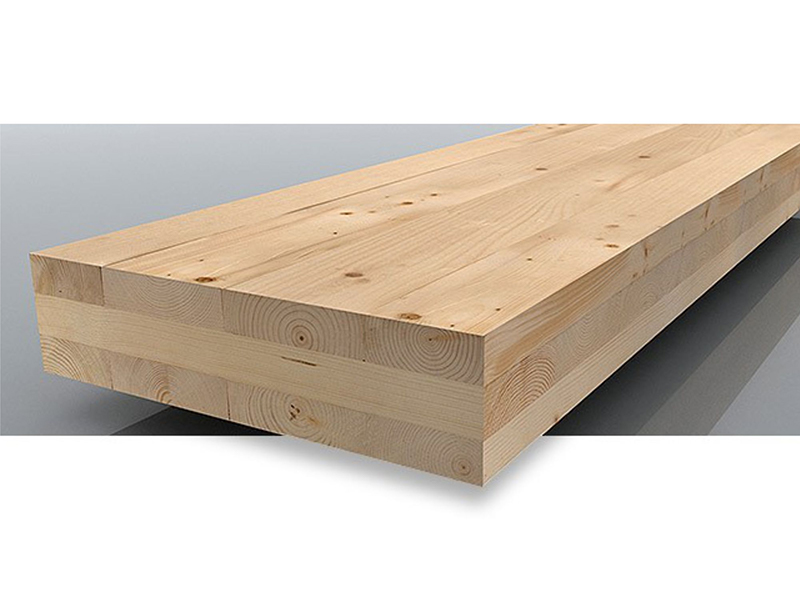
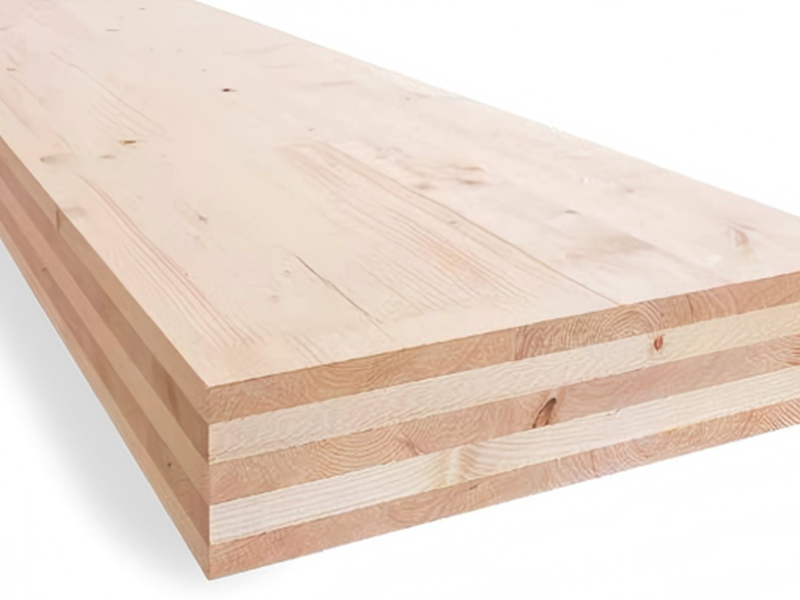
CLT decorative panels are graded not by structural strength alone, but by the appearance of the exposed lamella surface. This grading determines how much the natural character of the wood — knots, mineral streaks, and grain variation — will show once installed.
| Visual Grade |
Surface Appearance |
Best For |
| Industrial Grade |
Visible knots, patches, some surface roughness |
Concealed structure, warehouses, back-of-house areas |
| Non-Visual (Standard) Grade |
Minor patching and filled knots, uniform sanding |
Semi-exposed ceilings, utility rooms |
| Architectural (Exposed) Grade |
Clean, tight grain, minimal knots, premium sanded finish |
Feature walls, lobbies, exterior soffits, exposed ceilings |
CLT visual grades and their typical design applications
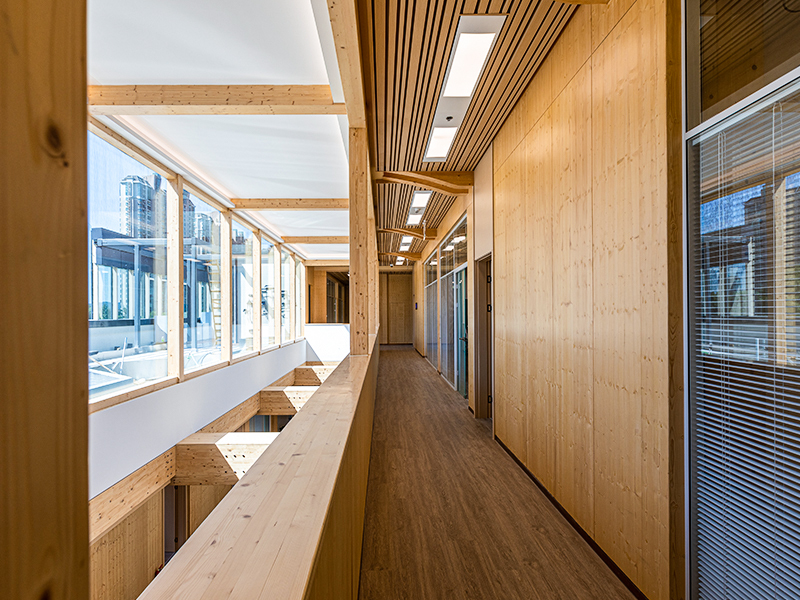
For any application where the panel will be seen and admired — a hotel lobby ceiling, a residential feature wall, or an exposed exterior overhang — Architectural grade is almost always worth the added cost, since patching and lower-grade lamellas become highly visible once a clear or lightly tinted finish is applied.
Choosing a Finish: Clear Coatings, Stains, and Fire-Retardant Options
Clear and Lightly Tinted Coatings
A clear, UV-stable finish is the most popular choice for interior CLT feature panels, since it preserves the natural grain while providing surface protection against moisture, dust, and minor abrasion. Water-based polyurethane and acrylic finishes are common, typically applied in 2-3 coats for adequate protection and sheen consistency.
Stains and Pigmented Finishes
Stained finishes allow designers to shift the panel's tone — warmer, cooler, or matched to existing millwork — while still showing the wood grain. This is a common choice when a project's design palette calls for a specific color rather than the natural tone of the species used.
Fire-Retardant Coatings
For exposed CLT surfaces in commercial buildings, a fire-retardant clear coating is often required to meet interior finish flame-spread ratings under building codes. These coatings are formulated to remain optically clear while reducing surface flame spread, and are especially relevant for lobbies, corridors, and other means-of-egress spaces.
Interior vs. Exterior Applications: What Changes
The single biggest factor separating a successful CLT decorative installation from a failed one is whether the panel and its finish system were actually designed for the exposure conditions it will face.
| Application |
Key Requirement |
Recommendation |
| Interior Feature Wall |
Aesthetics, low maintenance |
Architectural grade, clear or stained finish |
| Interior Exposed Ceiling |
Fire code compliance, acoustics |
Architectural grade, fire-retardant clear coat |
| Exterior Soffit/Overhang |
UV and moisture resistance |
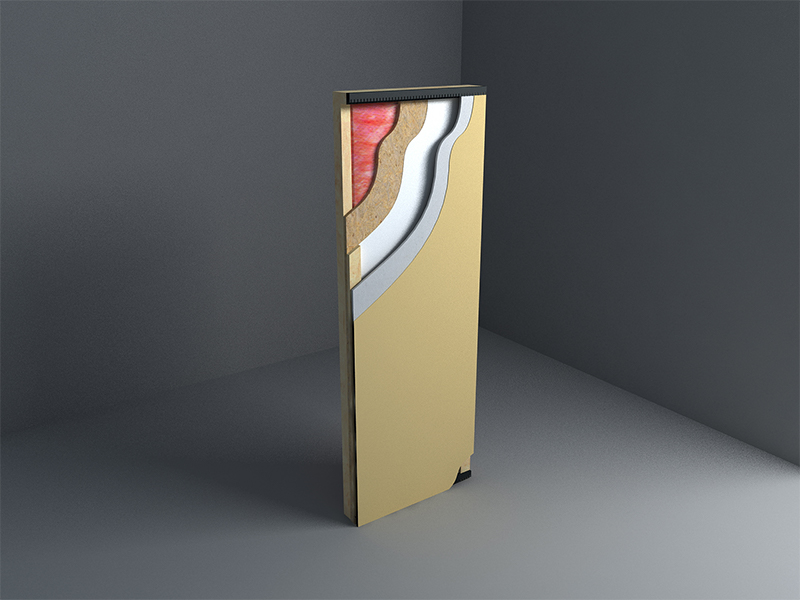
Weather-rated coating, MUF adhesive, rainscreen detail |
| Fully Exposed Exterior Wall |
Direct rain, prolonged UV exposure |
Generally not recommended without a rainscreen or protective cladding |
Recommended CLT decorative panel specifications by application type
A critical detail many designers overlook: fully exposed CLT with no rain protection is rarely recommended, even with a weather-rated coating, because direct rain exposure accelerates checking (surface cracking) and coating breakdown. Most successful exterior CLT installations use the panel under an overhang, soffit, or behind a rainscreen gap that limits direct water contact while still showing the wood.
Species Selection and Its Effect on Appearance
The wood species used in a decorative CLT panel significantly affects both its final appearance and its natural durability.
- Spruce and pine offer a light, uniform tone popular for bright, minimalist interiors, but require added finish protection outdoors.
- Douglas fir provides a warmer tone with more visible grain contrast, often chosen for feature applications where grain pattern is a design element.
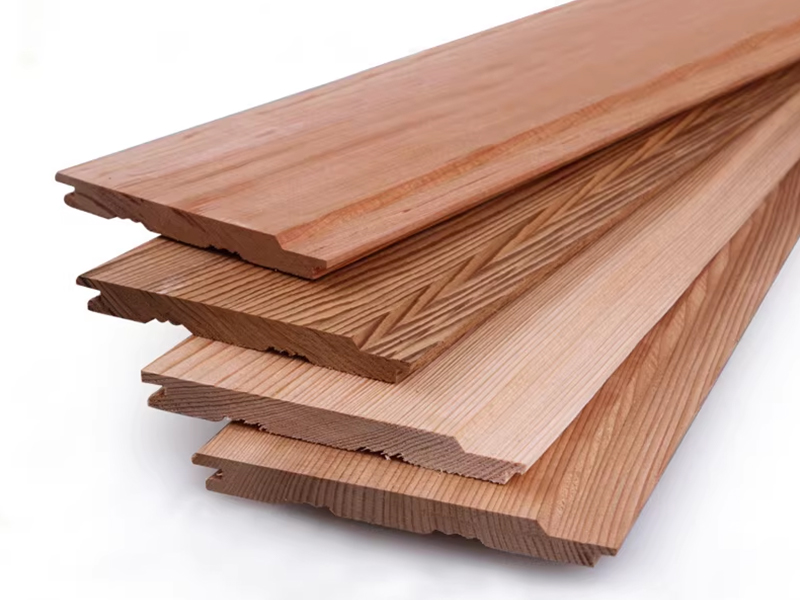
- Naturally durable species (such as certain cedars) offer better inherent resistance to decay, making them a stronger candidate for semi-exposed exterior applications.
Common Mistakes When Specifying Decorative CLT Panels
- Specifying an interior-only finish system on a panel that will see partial exterior exposure.
- Choosing Industrial or Non-Visual grade panels for prominent feature applications, then being surprised by visible patching.
- Skipping fire-retardant coating requirements on exposed ceilings in commercial means-of-egress areas.
- Installing fully exposed exterior CLT without a rainscreen gap or overhang protection.
- Overlooking maintenance recoating schedules — most exterior clear finishes need reapplication every 3-5 years to remain protective.
Final Checklist Before You Specify a Decorative CLT Panel
Before finalizing your selection, confirm the following:
- Visual grade matches how prominently the panel will be seen
- Finish system (clear, stained, or fire-retardant) matches design intent and code requirements
- Exposure conditions (interior, semi-exposed, or exterior) are clearly identified before ordering
- Exterior installations include rainscreen or overhang protection rather than full direct exposure
- A recoating and maintenance plan is established for any exterior or high-traffic application
Choosing the right CLT decorative panel is ultimately about matching visual grade, finish, and exposure protection to the specific environment the panel will live in — get these three factors right, and the panel will retain its structural integrity and appearance for decades.

 中文简体
中文简体
 English