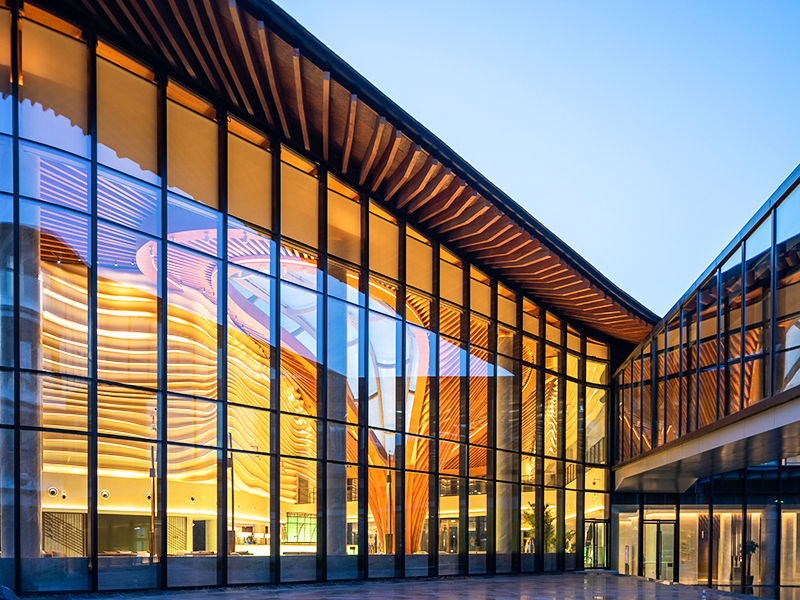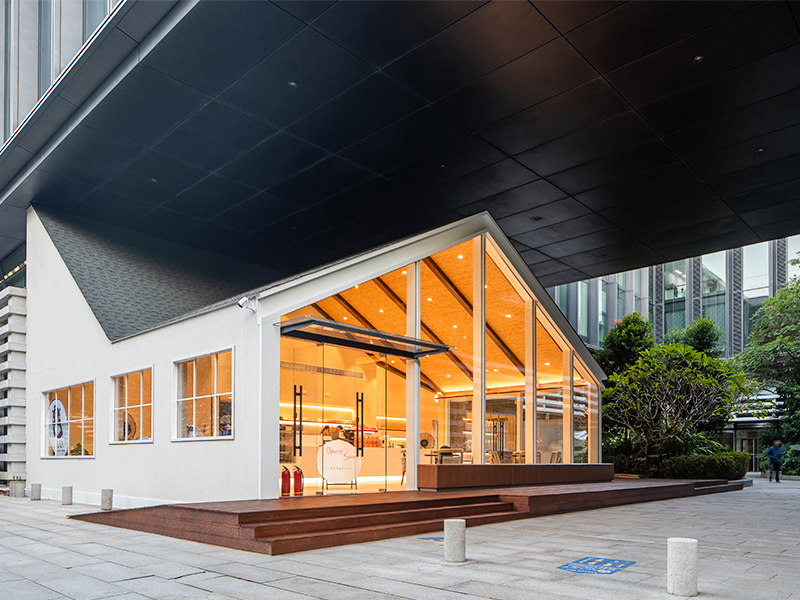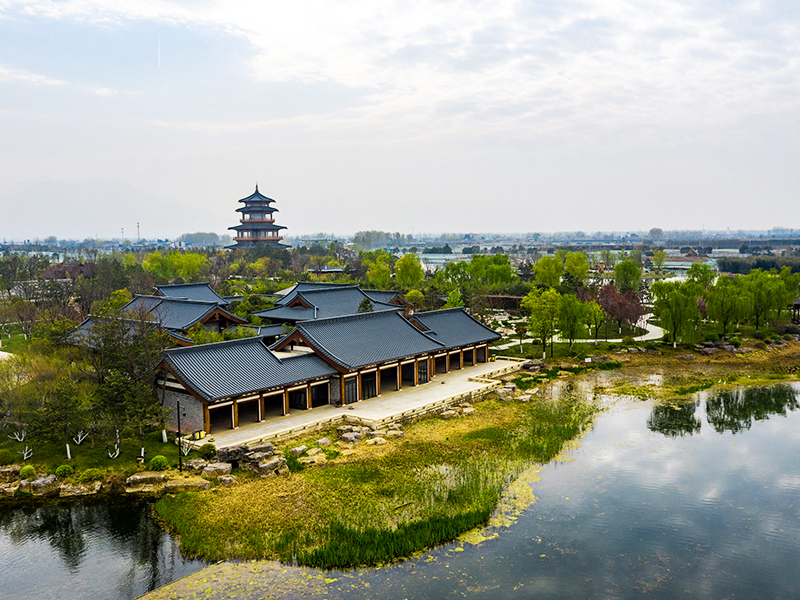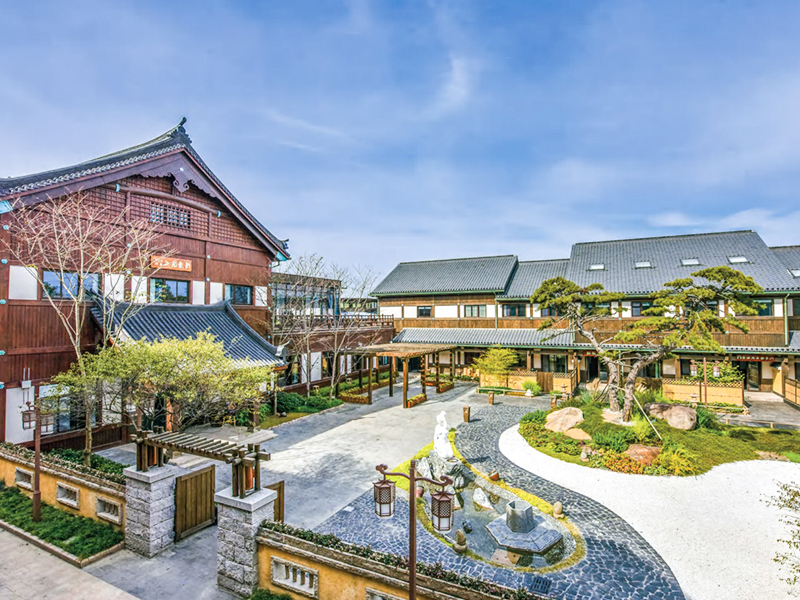


Custom Wood-frame Cultural and Tourism Buildings
Explore Products
Yancheng State Investment Group was established by the Yancheng Municipal People's Government. As of the end of 2024, the group's total assets will be 80.3 billion yuan, and it currently has 6 functional sectors: energy, resources, hotels, entrepreneurship, trade, and real estate.
About us
Our Company is China Wood-frame Cultural and Tourism Buildings Suppliers and Wood-frame Cultural and Tourism Buildings Manufacturers. In 2025, Jiangsen Green Construction was incubated in the Group's entrepreneurial sector. As a new engine for the Group's green transformation, it shoulders the national “dual carbon” strategic mission and the Group's green development plan, demonstrating the social responsibility of state-owned enterprises.
We provide technical services for the entire industrial chain of modern wooden structure research and development, design, intelligent manufacturing, construction, and maintenance, and are committed to providing green, low-carbon, and sustainable wooden structure overall solutions for the domestic and international construction fields.
Factory floor area
Annual output — glulam, CLT & more
Equipment production lines
Number of employees
Press Center
News
Real-time dynamics, one-handed. Here we gather corporate information, industry hot spots and event dynamics to help you quickly understand our development pace and cutting-edge insights.
Industry Knowledge
Wood-frame cultural and tourism buildings are gaining significant attention globally as destinations seek architecture that balances sustainability, aesthetic appeal, and visitor engagement. Unlike traditional concrete or steel constructions, wood-frame structures are inherently renewable and environmentally friendly, offering a reduced carbon footprint throughout their lifecycle. Timber stores carbon naturally, and its production consumes significantly less energy than the manufacturing of concrete or steel, making it an ideal material for eco-conscious tourism developments.
Moreover, wood-frame buildings create a warm, welcoming atmosphere that aligns perfectly with cultural and tourism projects. The natural textures and hues of timber integrate seamlessly with forests, lakes, and mountain landscapes, enhancing visitor experiences and connecting people to the environment. Architectural firms and developers recognize that aesthetically pleasing environments contribute to longer visitor stays, improved satisfaction, and positive word-of-mouth promotion.
Another key factor driving popularity is construction efficiency. Prefabricated timber components can be produced off-site and assembled quickly on-site, minimizing disruptions in active tourist areas. This rapid construction process reduces labor costs and allows for precise, high-quality building standards. Companies like Yancheng Jiangsen Green Construction Technology Co., Ltd. specialize in prefabricated wood-frame systems for cultural and tourism facilities, offering customized solutions that meet the specific needs of heritage sites, resorts, and exhibition centers.
| Feature | Benefit |
|---|---|
| Sustainability | Uses renewable timber, reduces carbon footprint |
| Visitor Appeal | Warm, natural aesthetics enhance experience |
| Fast Construction | Prefabrication reduces on-site time and labor |
| Adaptability | Works for modern and traditional designs |
| Energy Efficiency | Provides natural insulation, reduces energy costs |
In addition to environmental and construction benefits, wood-frame buildings support cultural expression. Architects can incorporate local timber traditions and design motifs, allowing the building itself to become a cultural attraction. This combination of sustainability, speed, and cultural resonance explains why wood-frame construction is becoming a preferred choice for tourism authorities and developers worldwide.
Wood-frame cultural and tourism buildings provide both practical and economic advantages that enhance project viability. Energy efficiency is one of the most notable benefits. Timber naturally insulates interiors, reducing the need for heating and cooling and ensuring comfortable visitor environments across seasons. This is particularly important for tourism facilities located in regions with significant temperature variations.
Design flexibility is another major advantage. Wood-frame construction allows for open, airy layouts that are difficult to achieve with conventional materials. Tourist facilities such as exhibition halls, lodges, and visitor centers often require large spans and versatile interior spaces. Wood frames can accommodate these needs while maintaining structural integrity. Yancheng Jiangsen Green Construction Technology Co., Ltd. has extensive experience delivering designs that integrate modern functionality with traditional aesthetics, ensuring that every project aligns with both operational needs and local culture.
Maintenance costs are relatively low for well-designed wood-frame structures, particularly when high-quality timber and protective treatments are used. Wood-frame buildings also offer excellent acoustic performance, reducing noise in high-traffic areas and contributing to a more pleasant visitor experience. For operators, these features result in reduced operational costs, increased visitor satisfaction, and long-term asset value.
| Advantage | Description |
|---|---|
| Energy Efficiency | Natural thermal insulation reduces utility costs |
| Design Flexibility | Supports both traditional and contemporary designs |
| Visitor Comfort | Acoustic performance and warm interiors |
| Reduced Operational Cost | Low maintenance and long-lasting materials |
| Cultural Integration | Allows incorporation of local design and heritage |
The adaptability of wood-frame buildings is particularly beneficial for tourism projects that anticipate expansion or changes over time. Modular timber systems allow additional wings or facilities to be added without significant structural disruption, making them ideal for evolving tourist destinations.
Sustainable tourism is no longer optional—it’s an expectation. Visitors increasingly favor destinations that demonstrate environmental responsibility. Wood-frame buildings support this goal in multiple ways: they are constructed from renewable materials, require less energy during production, and can be combined with renewable energy systems such as solar panels, rainwater harvesting, and natural ventilation technologies.
Additionally, wood-frame construction supports local culture and heritage. Buildings can incorporate traditional craftsmanship, regional timber species, and local design elements, creating authentic experiences that strengthen a destination’s cultural identity. Yancheng Jiangsen Green Construction Technology Co., Ltd. has successfully implemented projects where timber structures reflect local architecture, integrating eco-friendly technologies without compromising aesthetic and cultural value.
| Application | Typical Function |
|---|---|
| Visitor Centers | Information, ticketing, and reception |
| Cultural Exhibition Halls | Museums, galleries, and heritage displays |
| Eco-Lodges | Sustainable accommodation with minimal environmental impact |
| Resorts | Recreational and hospitality facilities |
| Event Pavilions | Festivals, performances, community gatherings |
| Scenic Area Facilities | Observation decks, rest areas, and service centers |
Wood-frame buildings also contribute to certifications such as LEED or BREEAM, signaling a commitment to sustainability and enhancing the destination’s marketability. Their modularity and lightweight nature facilitate future renovations, expansions, or reconfigurations with minimal environmental disruption.
Ultimately, the use of wood-frame buildings aligns with both economic and environmental objectives, creating destinations that are not only visually appealing but also operationally efficient and environmentally responsible. By choosing Yancheng Jiangsen Green Construction Technology Co., Ltd., developers ensure professional guidance throughout the design, construction, and operation phases, achieving maximum value for both the environment and the visitor experience.
Q1: Are wood-frame buildings durable enough for tourist facilities?
A1: Yes, with proper treatment and design, wood-frame structures are highly durable and resistant to weather, pests, and wear, suitable for high-traffic tourism applications.
Q2: Can wood-frame buildings be combined with modern amenities?
A2: Absolutely. Wood-frame structures can incorporate HVAC, electrical systems, plumbing, and smart technologies without compromising structural integrity or aesthetic appeal.
Q3: How sustainable are wood-frame cultural tourism projects?
A3: Very sustainable. Timber is renewable, stores carbon, and reduces energy usage compared to steel or concrete. Using responsibly sourced timber further enhances environmental benefits.
Q4: Can wood-frame buildings reflect local culture?
A4: Yes, architectural elements, materials, and design motifs can reflect regional traditions, creating authentic cultural experiences for visitors.
Q5: How can Yancheng Jiangsen Green Construction Technology Co., Ltd. help?
A5: The company provides complete design, prefabrication, and construction services for wood-frame tourism buildings, ensuring projects meet both aesthetic and sustainable standards.

We provide technical services across the entire modern timber structure industrial chain—from R&D, design, and intelligent manufacturing to construction and maintenance—and are committed to delivering green, low-carbon, and sustainable overall solutions for the construction industry both domestically and internationally.
Company Address
Room 1901, Building 1, Xincheng Business Center, Intersection of Haiyang Road and Ruzhe Road, Yandu Subdistrict, Yandu District, Yancheng City, Jiangsu Province, China
Factory Address
Xin'anjiang Road, Dafeng District, Yancheng City, Jiangsu Province
Quick Links
[Mobile]

[Official Account]
[Microsignals]
Stay in touch


 中文简体
中文简体
 English