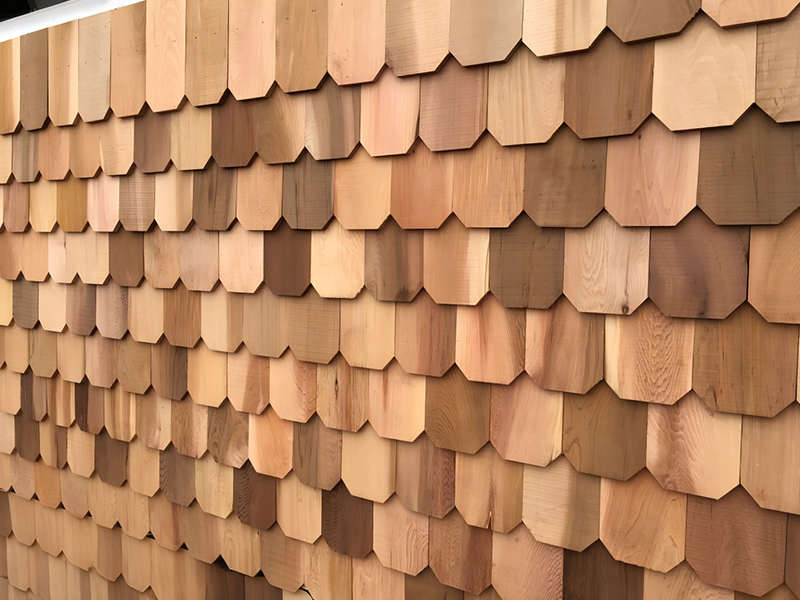
Structural timber is the foundation of every wood-frame building and remains the most important material in contemporary timber construction. As the global construction industry increasingly focuses on carbon reduction, energy efficiency, and sustainable development, timber has become one of the most attractive alternatives to traditional construction materials such as concrete and steel.
One of the biggest advantages of timber is its renewable nature. Unlike non-renewable construction resources, wood can be sustainably harvested and replanted, creating a continuous cycle of material supply. More importantly, trees absorb carbon dioxide during growth and store carbon throughout their service life. When timber is used in buildings, this carbon remains locked within the structure for decades, helping reduce atmospheric carbon emissions.
As a professional China Wood-frame Buildings Manufacturer and Wood-frame Buildings Factory, Yancheng Jiangsen Green Construction Technology Co., Ltd. recognizes the strategic value of timber in supporting global green construction initiatives. Established in 2025 within the Group’s entrepreneurial sector, the company was created to serve as a new driving force for the Group’s green transformation while supporting China’s national “Dual Carbon” strategy.
Modern wood-frame buildings no longer rely solely on traditional lumber. Today, a wide variety of engineered wood products are available, offering enhanced strength, dimensional stability, and design flexibility. These products allow architects and engineers to construct larger spans, taller structures, and more sophisticated building designs than ever before.
Timber also offers outstanding thermal insulation performance. Wood naturally has lower thermal conductivity than steel or concrete, helping reduce energy loss through walls and roofs. As a result, wood-frame buildings often require less energy for heating and cooling, contributing to lower operational costs and improved occupant comfort.
In addition, timber provides excellent workability. It can be cut, shaped, and assembled efficiently, making it highly suitable for prefabricated and modular construction methods. This helps shorten project schedules, reduce labor costs, and minimize construction waste.
| Timber Material |
Characteristics |
Common Applications |
| Solid Lumber |
Traditional structural material |
Residential framing |
| Glulam |
High load-bearing capacity |
Large-span beams |
| LVL |
Excellent dimensional stability |
Headers and columns |
| CLT Panels |
Multi-layer engineered panels |
Floors and walls |
| Structural Plywood |
High strength and durability |
Sheathing systems |
At Yancheng Jiangsen Green Construction Technology Co., Ltd., timber selection is carried out according to strict quality standards. Through advanced research, engineering design, intelligent manufacturing, and construction technologies, the company ensures that every wood-frame building achieves optimal performance in safety, durability, and sustainability.
As demand for environmentally responsible construction continues to grow worldwide, structural timber will remain the cornerstone material driving the future development of modern wood-frame buildings.
What Supporting Materials Are Necessary to Enhance the Performance of Wood-frame Buildings?
While timber serves as the primary structural component, a successful wood-frame building depends on a variety of supporting materials that work together to ensure safety, durability, comfort, and long-term performance. Modern timber construction is a highly integrated system in which every material contributes to the overall efficiency and reliability of the building.
One of the most important supporting material categories is structural connection systems. These include steel brackets, metal plates, screws, bolts, anchors, and specialized fasteners. Although they account for a relatively small portion of the building by volume, they play a critical role in transferring loads and maintaining structural stability. High-quality connection systems enable wood-frame buildings to withstand wind loads, seismic activity, and long-term structural stress.
Another key component is insulation. Energy efficiency is a major advantage of timber buildings, and insulation materials further enhance this performance. Common insulation products include fiberglass, mineral wool, cellulose, and rigid foam boards. Proper insulation not only reduces energy consumption but also improves indoor comfort throughout the year.
Moisture management materials are equally essential. Timber is a natural material that performs best when protected from excessive moisture exposure. Waterproof membranes, vapor barriers, weather-resistant barriers, flashing systems, and drainage layers help maintain a healthy building envelope and protect structural components from long-term deterioration.
Fire protection materials have also become increasingly sophisticated. Modern wood-frame buildings often incorporate fire-rated gypsum boards, fire-resistant coatings, and advanced compartmentalization systems. These technologies significantly improve building safety and help meet international building codes.
As a company providing full-chain technical services covering R&D, design, intelligent manufacturing, construction, and maintenance, Yancheng Jiangsen Green Construction Technology Co., Ltd. carefully evaluates every material used throughout the building lifecycle to maximize quality and performance.
| Supporting Material |
Main Function |
Key Benefits |
| Steel Connectors |
Structural load transfer |
Increased safety and stability |
| Insulation Materials |
Thermal efficiency |
Lower energy costs |
| Vapor Barriers |
Moisture control |
Improved durability |
| Waterproof Membranes |
Weather protection |
Extended service life |
| Fire-resistant Boards |
Fire safety |
Code compliance and protection |
| Acoustic Materials |
Noise reduction |
Improved indoor comfort |
The integration of these materials creates a complete building system capable of delivering outstanding performance in diverse environmental conditions. Whether for residential communities, educational facilities, commercial buildings, or public infrastructure projects, properly selected supporting materials ensure that timber structures maintain their value and functionality over the long term.
Through continuous innovation and technological advancement, Yancheng Jiangsen Green Construction Technology Co., Ltd. remains committed to optimizing every component of modern wood-frame buildings and providing clients with comprehensive green building solutions.
How Do Sustainable Building Materials Shape the Future of Wood-frame Construction?
Sustainability has become one of the most influential factors in the construction industry, and building materials are at the center of this transformation. As governments, developers, and investors increasingly prioritize environmental responsibility, sustainable materials are playing a crucial role in the evolution of wood-frame construction.
The future of timber buildings is no longer defined solely by structural performance. Modern projects are expected to minimize carbon emissions, reduce waste generation, improve energy efficiency, and support circular economy principles. This has led to growing interest in sustainable materials that complement timber construction systems.
Certified sustainable timber is one of the most important developments in this area. Forest certification programs help ensure responsible harvesting practices, biodiversity protection, and long-term forest regeneration. By sourcing certified timber, builders can contribute to environmental conservation while maintaining reliable material supplies.
Engineered wood products also represent a major advancement in sustainable construction. Technologies such as Cross-Laminated Timber (CLT), Glue-Laminated Timber (Glulam), and Laminated Veneer Lumber (LVL) maximize the utilization of forest resources while delivering exceptional structural performance. These products allow architects to design larger and taller buildings with lower embodied carbon than conventional construction methods.
In addition to wood products, sustainable insulation systems, recyclable building components, low-VOC adhesives, and environmentally friendly finishes are becoming increasingly popular. These materials help reduce the environmental footprint of buildings while creating healthier indoor environments for occupants.
As an enterprise dedicated to supporting China’s green development strategy, Yancheng Jiangsen Green Construction Technology Co., Ltd. actively promotes the application of sustainable materials throughout the entire timber construction value chain. The company combines advanced engineering technologies with intelligent manufacturing systems to deliver low-carbon building solutions for domestic and international markets.
| Sustainable Material |
Environmental Contribution |
Building Benefits |
| Certified Timber |
Renewable resource management |
Reduced carbon footprint |
| CLT Panels |
Efficient resource utilization |
Strong structural performance |
| Recyclable Materials |
Waste reduction |
Circular economy support |
| Low-VOC Adhesives |
Improved indoor air quality |
Healthier living environments |
| Eco-friendly Insulation |
Lower energy consumption |
Enhanced building efficiency |
| Sustainable Finishes |
Reduced environmental impact |
Long-term durability |
Looking ahead, sustainable materials will continue to redefine the construction industry. Combined with digital design, intelligent manufacturing, and advanced engineering technologies, they will enable wood-frame buildings to become one of the most effective solutions for achieving global carbon reduction goals.
By leveraging its expertise in research, design, intelligent manufacturing, construction, and maintenance, Yancheng Jiangsen Green Construction Technology Co., Ltd. is helping shape a future where timber buildings are not only structurally sound and economically viable but also environmentally responsible and socially beneficial.
Q1: What is the most important material used in wood-frame buildings?
Structural timber is the primary material because it provides the main load-bearing framework while offering sustainability and energy-efficiency benefits.
Q2: Why are engineered wood products becoming increasingly popular?
Engineered wood products provide higher strength, better dimensional stability, and more efficient use of timber resources than traditional lumber.
Q3: What materials improve the durability of wood-frame buildings?
Moisture barriers, waterproof membranes, quality connectors, and fire-resistant materials all contribute significantly to building durability.
Q4: Are wood-frame buildings environmentally friendly?
Yes. Timber stores carbon, requires less manufacturing energy than steel or concrete, and supports sustainable construction practices.
Q5: What services does Yancheng Jiangsen Green Construction Technology Co., Ltd. provide?
The company provides comprehensive technical services covering modern timber structure R&D, design, intelligent manufacturing, construction, maintenance, and overall green building solutions for domestic and international projects.

 中文简体
中文简体
 English


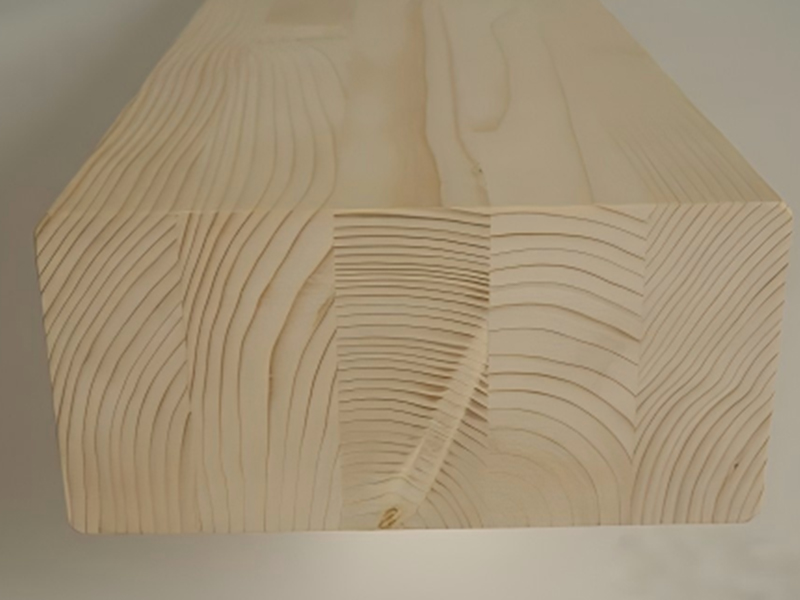 Straight Glued Laminated Wooden Decorative PanelWidth 60-1000mm Thickness 15-50mm Length 0-10000mmView More
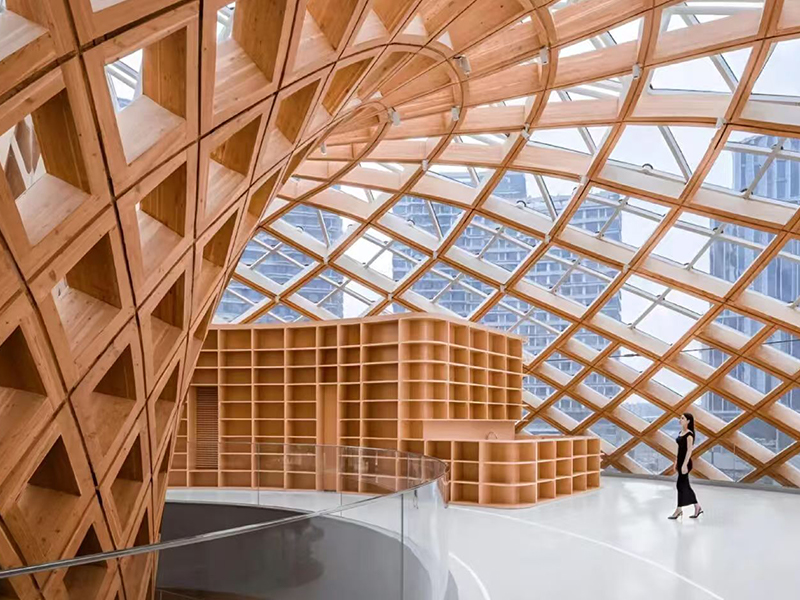 Curved Glued Laminated Wooden Decorative PanelWidth 60-1000mm Thickness 15-30mm Length 0-6000mmView More