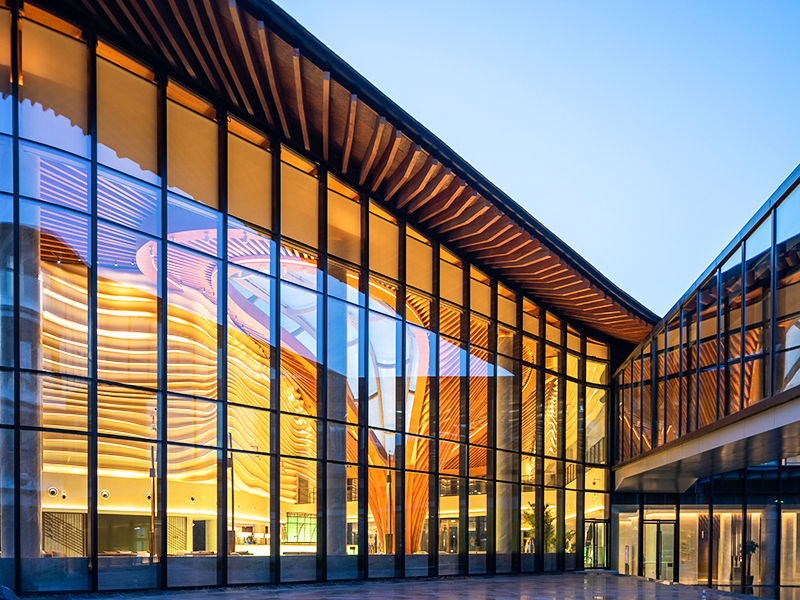
Wood-frame construction remains the most widely used building method for low- and mid-rise structures in North America, accounting for roughly 90% of new homes, because it offers lower costs, faster build times of 4-6 months for a typical house, and strong sustainability credentials compared to steel or concrete. Modern wood-frame buildings can also meet rigorous fire safety standards when designed with proper materials, sprinkler systems, and code-compliant detailing. This guide breaks down the key benefits of wood-frame construction, the most common framing methods, and practical fire safety measures every builder or homeowner should know.
Key Benefits of Wood-Frame Construction
Wood framing combines economic, environmental, and structural advantages that make it the default choice for residential and light commercial projects.
Cost and Speed of Construction
Wood-frame buildings typically cost 20-30% less than equivalent steel or concrete structures, and because lumber is lightweight and easy to cut on-site, framing crews can erect a standard single-family home shell in as little as 1-2 weeks.
Energy Efficiency and Insulation
Wood is a natural insulator with thermal performance roughly 15 times better than concrete and 400 times better than steel of the same thickness, reducing the load on heating and cooling systems and lowering long-term energy bills.
Sustainability and Carbon Storage
As a renewable resource, wood sequesters carbon throughout its life in the building. One cubic meter of wood stores approximately one tonne of CO2, making wood-frame construction a lower-carbon alternative to steel and concrete production.
Common Wood-Frame Construction Methods
Different framing systems suit different building heights, budgets, and design goals. Choosing the right method affects structural performance and labor requirements.
Overview of common wood-frame construction methods
| Method |
Typical Use |
Max Building Height |
| Platform framing |
Residential homes, apartments |
Up to 6 stories |
| Balloon framing |
Older homes, two-story structures |
2-3 stories |
| Post-and-beam / timber frame |
Barns, open-plan homes, commercial |
2-4 stories |
| Mass timber (CLT) |
Mid-rise residential and office buildings |
Up to 18 stories |
Platform Framing
The most common method today, platform framing builds each floor as a separate platform, with walls constructed on top of the completed floor below. This approach simplifies construction sequencing and improves fire-stopping between floors.
Mass Timber and Cross-Laminated Timber (CLT)
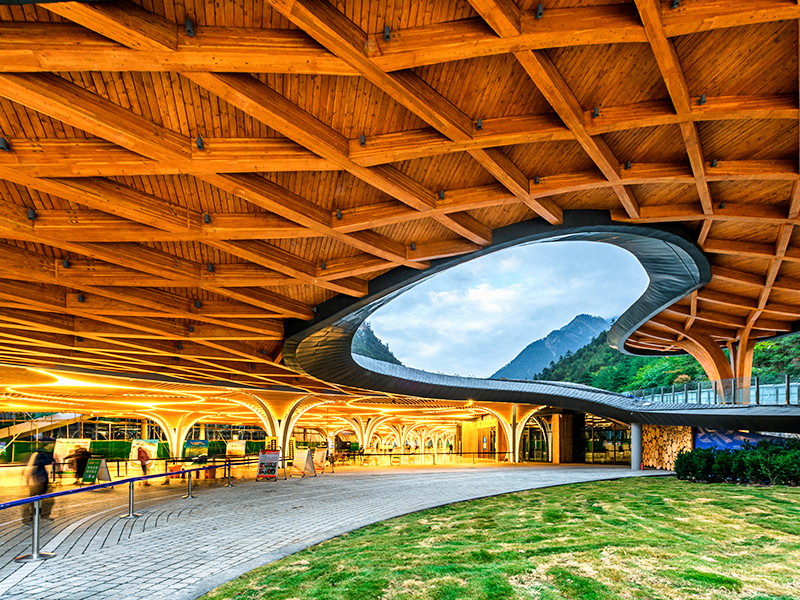
CLT panels are made by gluing layers of lumber at right angles, creating panels strong enough to support buildings up to 18 stories in some jurisdictions. Mass timber is increasingly used for mid-rise commercial and residential projects due to its strength-to-weight ratio and prefabrication efficiency.
Fire Safety Considerations for Wood-Frame Buildings
Fire safety is the most common concern raised about wood-frame buildings, but modern codes and materials address this risk effectively through multiple layers of protection.
Fire-Resistance Rated Assemblies
Wall, floor, and ceiling assemblies using gypsum board layers can achieve fire-resistance ratings of 1-2 hours, giving occupants time to evacuate and firefighters time to respond before structural failure occurs.
Heavy Timber's Natural Char Layer
Large mass timber members char on the outside when exposed to fire, forming an insulating layer that slows further burning. Mass timber chars at a predictable rate of roughly 0.6-0.8 mm per minute, allowing engineers to calculate fire-resistance times based on member size.
Essential Fire Safety Measures
- Install fire-rated drywall (Type X or C) on walls and ceilings, especially in shared and egress spaces
- Equip the building with automatic fire sprinkler systems, which can reduce fire deaths by up to 80% according to fire safety studies
- Use fire-blocking and draft-stopping materials in concealed spaces such as wall cavities and floor-ceiling assemblies
- Maintain proper spacing (setbacks) between buildings to limit fire spread
- Install smoke detectors and interconnected alarm systems on every floor and in all sleeping areas
Maintenance Practices to Protect Wood-Frame Structures
Long-term durability of wood-frame buildings depends largely on moisture control and routine inspection, since wood's main vulnerabilities are rot, mold, and pest damage rather than structural weakness.
- Inspect roofing, flashing, and gutters annually to prevent water intrusion into framing members
- Maintain a moisture content of below 19% in framing lumber to prevent decay and fungal growth
- Schedule termite and pest inspections every 1-2 years, particularly in warm and humid climates
- Ensure proper ventilation in attics and crawl spaces to reduce condensation buildup

 中文简体
中文简体
 English