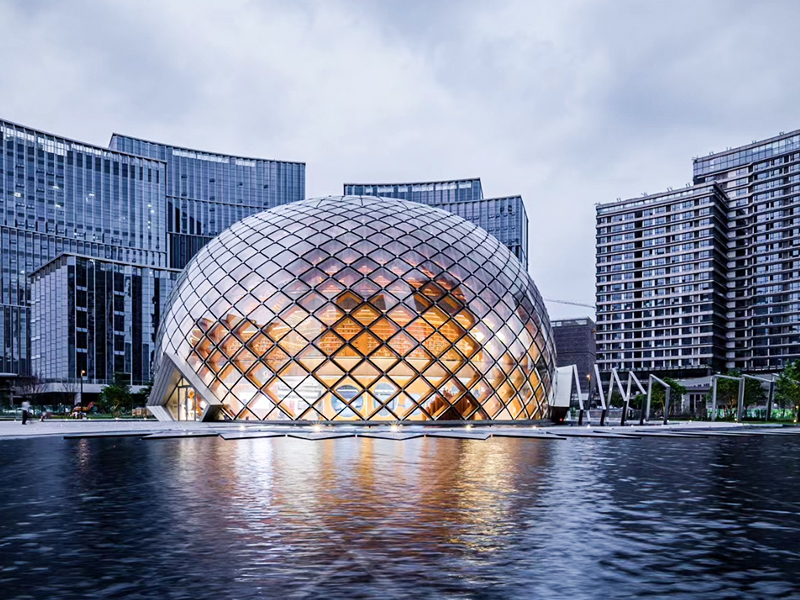
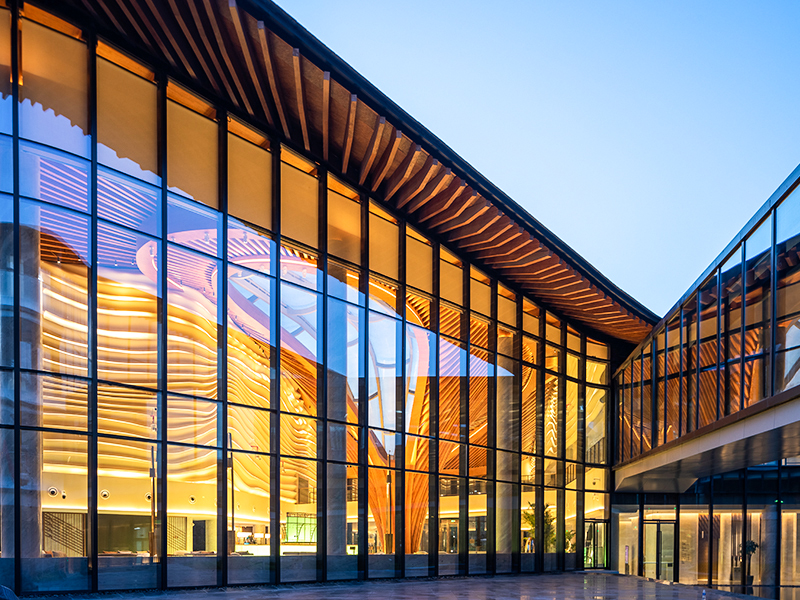
When you think of a pedestrian bridge, steel and concrete might come to mind first. But over the past decade, engineered wood products have quietly revolutionized the way we build these vital links in our walking networks. At our company, we have spent years perfecting the art and science of wood structure solutions—from public parks to campus pathways, the right timber pedestrian bridge can blend strength, durability, and natural beauty in a way that no other material can. We want to share some insights from the field so that when you plan your next pedestrian bridge project, you know what is possible with modern wood.
Design Considerations for Wood Pedestrian Bridges
A pedestrian bridge must serve multiple purposes: provide safe passage, withstand environmental loads, and enhance the surrounding landscape. Wood has a unique advantage here because it pairs well with nearly any setting—urban, rural, or natural. When we approach a pedestrian bridge design, we evaluate three core aspects:
- Span and load requirements: Even for shorter spans, the self-weight of wood is much lower than steel or concrete, which often reduces foundation costs. With modern glulam and CLT, spans of 30 meters or more are achievable for foot traffic.
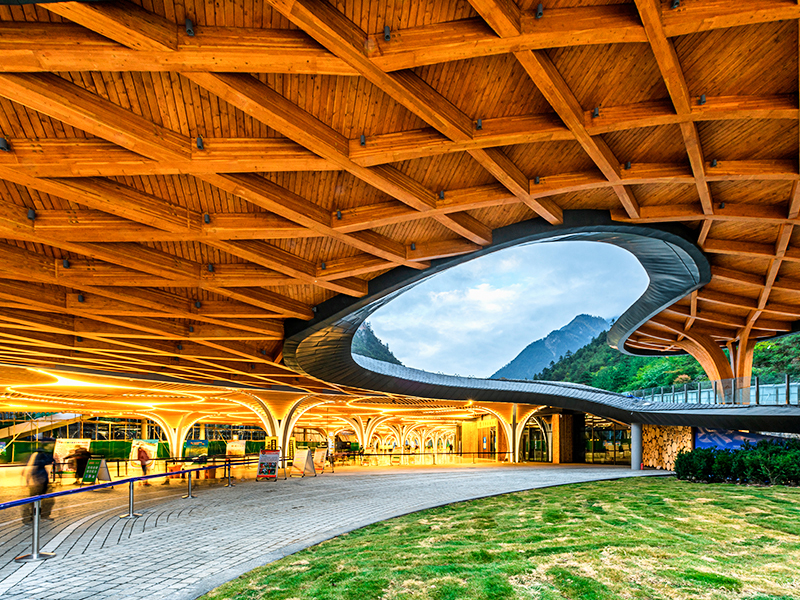
- Aesthetic integration: Wood can be shaped into arches, curves, or clean straight lines. The warm tones of Douglas fir or spruce complement green spaces, while a dark stain can fit urban streetscapes. We often work with architects to ensure the bridge becomes a landmark, not an eyesore.
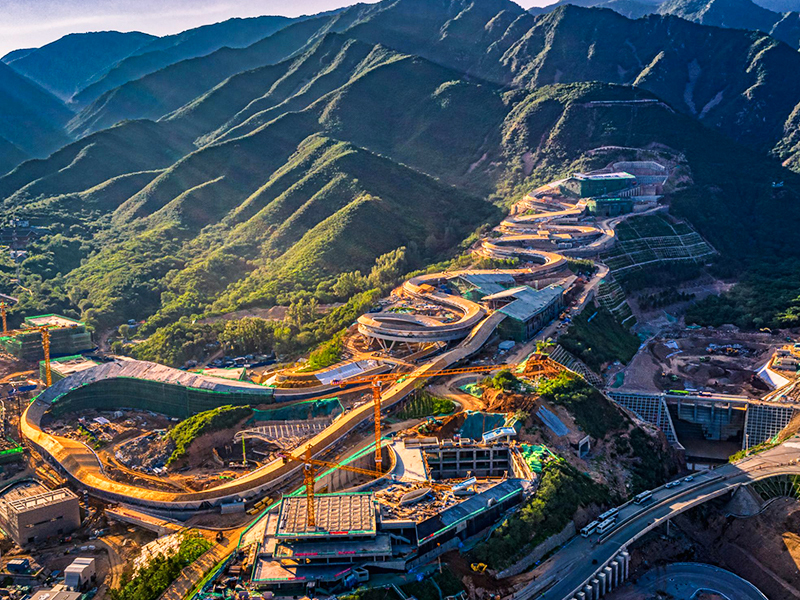
- Durability and maintenance: Properly treated wood—using preservatives or natural durable species like cedar—can last decades with minimal upkeep. Our experience with exposed wood structures in projects such as the Beijing Winter Olympics auxiliary works has shown that engineering wood is a reliable long-term choice.
By involving a manufacturer early in the design phase, you avoid costly mistakes. We have seen projects where a late material switch leads to extra engineering fees. Instead, we recommend planning with wood from the start.
Material Choices for Strength and Beauty
The success of a wooden pedestrian bridge depends heavily on selecting the right engineered wood product for each structural role. Below we summarize the most common options and their typical applications.
Comparison of engineered wood products for pedestrian bridges
| Product |
Typical Application |
Span Range |
Key Advantage |
| CLT structural panels |
Deck surface, stiffening diaphragms |
Short to medium |
High in-plane strength, solid feel |
| Glulam straight beams |
Main longitudinal girders |
Medium to long |
High load capacity, straight runs |
| Glulam curved beams |
Arches, bent profiles |
Medium |
Aesthetic curves, efficient arch action |
| Glulam cylindrical columns |
Piers, supports |
N/A |
Compression strength, visual appeal |
CLT (Cross-Laminated Timber) is our go‑to material for the bridge deck itself. Its cross‑layered structure distributes pedestrian loads evenly and provides a stiff, comfortable walking surface. Glulam (Glued Laminated Timber) is ideal for the main beams: straight glulam beams can handle long spans without intermediate supports, while curved glulam beams allow you to create graceful arch bridges that reduce material weight through compression forces. For bridge railings and secondary elements, we often use straight or curved glulam to maintain a consistent wood appearance.
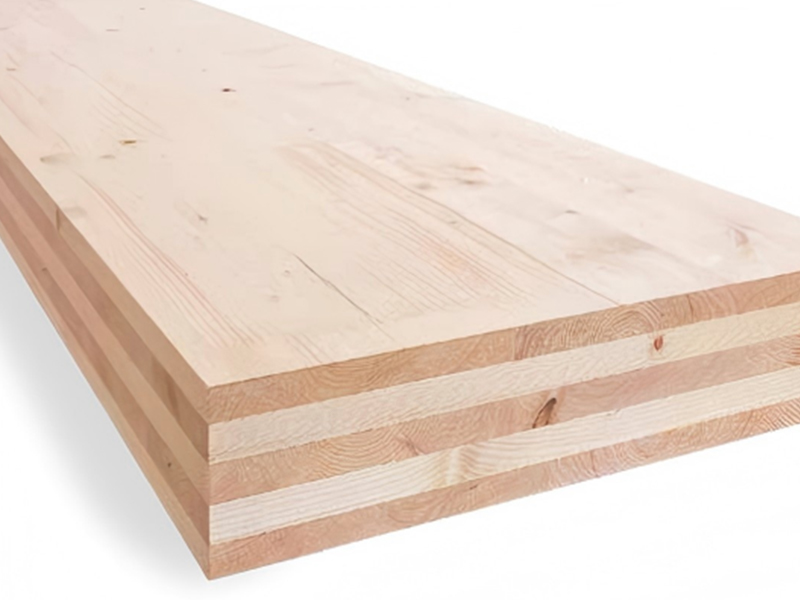 Douglas Fir CLT Structural Panel for Bridge DecksCross-laminated timber made from premium Douglas fir offers exceptional strength and stability for pedestrian bridge decks. Its layered structure distributes loads evenly, making it ideal for durable, sustainable wood bridges.View Product →
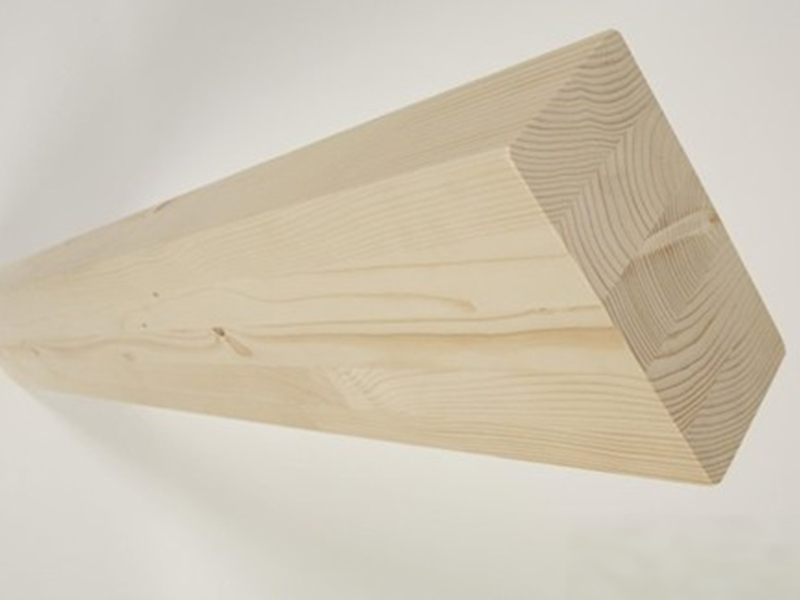 Straight Beam Glulam for Long-Span Bridge BeamsStraight glulam beams provide high strength and dimensional stability for pedestrian bridge main spans without intermediate supports. Ideal for creating clean, efficient structures while maintaining a consistent wood aesthetic.View Product →
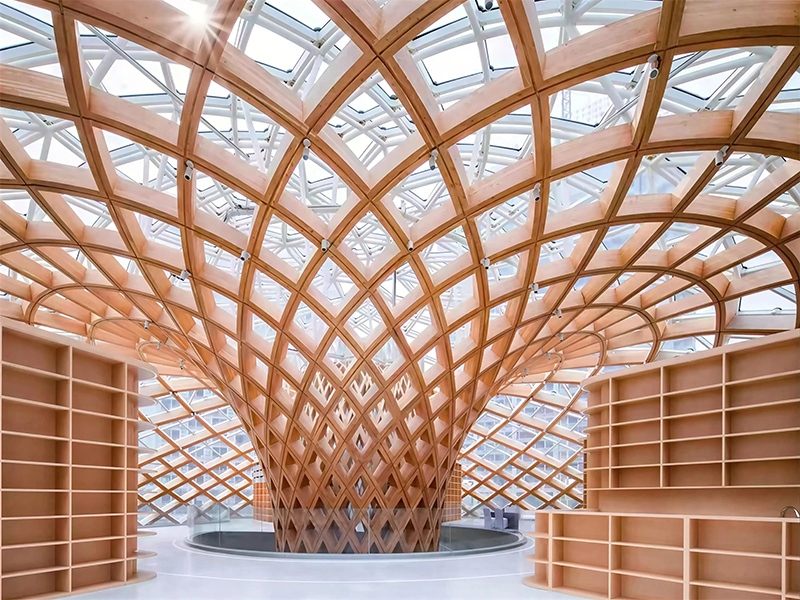 Curved Beam Glulam for Elegant Arch BridgesCurved glulam beams allow graceful arch designs that reduce material weight through compression. Precisely engineered from Douglas fir or spruce, they combine high stiffness with aesthetic appeal for modern wood bridges.View Product →
Why Wood Pedestrian Bridges Are Gaining Momentum
We have noticed a clear shift in the market: municipalities and developers increasingly request wood pedestrian bridges. The reasons go beyond aesthetics. From an environmental perspective, wood has a lower carbon footprint than steel or concrete, and because it is sourced from managed forests, it supports sustainable land use. On the performance side, modern wood bridges meet or exceed all required safety codes when designed correctly. Our own factory—spanning 120,000 m² with 27 production lines—ensures consistent quality for every project. We have delivered wood structures for hotels, conference centers, and even Olympic venues, and pedestrian bridges are a natural extension of that expertise.
If you are considering a pedestrian bridge, we encourage you to think about the long‑term value. Wood can be prefabricated off‑site, reducing construction time and disruption. It also ages gracefully, often gaining character over the years. For more on the engineering performance of wood frame structures, we have an in‑depth article that covers recent advancements: Wood Frame Buildings: Engineering Performance and the Rise of Tall Timber.
Key Steps in Realizing Your Wood Pedestrian Bridge
Based on our project experience, here is a typical workflow:
- Site assessment and span determination – We help you evaluate the crossing length, soil conditions, and access.
- Concept design and material selection – Together we choose the structural system (beam, arch, suspension) and the appropriate wood products.
- Detailed engineering and fabrication – Our in‑house team produces shop drawings and manufactures components in our factory.
- Delivery and installation – Components arrive on site ready to assemble, often in a matter of weeks.
We take pride in being a one‑stop partner for engineered wood structures. Whether you need a small garden footbridge or a major pedestrian connection over a highway, our team is ready to discuss your requirements. Please contact us to start a conversation. We are happy to share technical references, case studies, and cost estimates that can help you make an informed decision.

 中文简体
 English